Case Study 6
SAD DADDY — CASE STUDY
Artist: John Kind
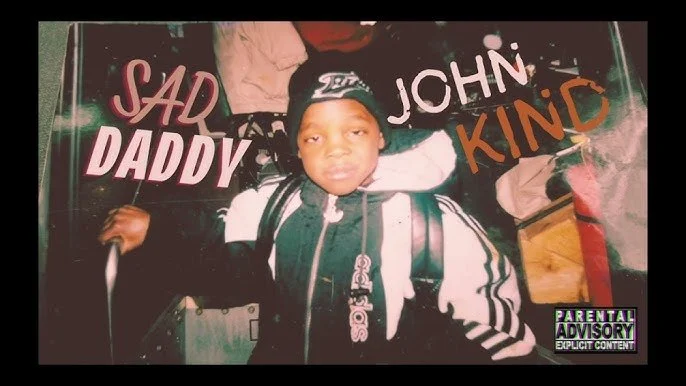
A self-written and self-recorded album by John Kind exploring depression, identity, survival, love, and emotional reconstruction.
Overview
Sad Daddy is a self-written and self-recorded album created entirely from home by John Kind. Built from lived experience, the project explores depression, emotional survival, Black identity, ambition, isolation, family pressure, love, and self-reconstruction.
While the instrumentals were licensed and purchased, every lyric, vocal performance, arrangement decision, emotional concept, and narrative direction came directly from John Kind himself.
The album functions less like a traditional rap project and more like an emotional documentary—one that captures the tension between pain and perseverance.
At its center is a simple but difficult idea:
“How do you continue becoming yourself while carrying everything that hurt you?”
Core Themes
Depression vs. Identity
Across songs like Johnny Castaway, Can’t Leave It Alone, and Sad Daddy, the album repeatedly returns to the fear of losing oneself internally while still functioning externally.
There is constant movement between:
ambition and emotional fatigue
confidence and self-doubt
isolation and longing for connection
survival and spiritual searching
Emotional Motion
The title E. Motion (Everyday Motion) reframes emotion itself as movement.
Emotion is not presented as weakness—it is presented as proof of being alive.
The album argues that people continue carrying emotional weight while still pushing forward daily:
working
surviving
building dreams
protecting family
fighting mentally
Black Masculinity & Vulnerability
Many lyrics throughout the project directly confront the expectation that Black men suppress emotional struggle.
Songs repeatedly reference:
emotional isolation
economic pressure
generational trauma
policing
survival mentality
distrust
pressure to appear emotionally invulnerable
Yet the album intentionally refuses emotional numbness.
Instead, vulnerability becomes part of strength.
Love as Healing & Risk
Tracks like Roses Hurt and Pretty Girls introduce emotional softness into the album’s heavier psychological themes.
Love is portrayed as:
comforting
destabilizing
healing
frightening
necessary
Relationships in Sad Daddy are never presented as perfect fantasy. They are emotional negotiations between damaged people trying to trust each other while carrying unresolved pain.
Track Breakdown
1. Kintsugi (Mold Me)
Kintsugi (Mold Me)
Inspired by the philosophy of repairing broken pottery with gold, the opening track establishes the album’s mission: transforming damage into identity rather than hiding it.
The song blends:
social commentary
systemic frustration
spiritual reflection
personal resilience
The repeated line:
“Put all my faith into God / Let him mold me”
becomes the emotional thesis of the project.
2. E. Motion (Everyday Motion)
E. Motion (Everyday Motion)
This track reframes emotional struggle as constant movement through life rather than emotional collapse.
Themes include:
ADHD and mental restlessness
family responsibility
poverty
emotional endurance
ambition under pressure
The interlude reinforces one of the album’s recurring ideas:
being “tough” instead of pretending to be invulnerable.
3. Can’t Leave It Alone
Can't Leave It Alone
A song centered around obsession with purpose.
The track explores:
creative ambition
suicidal ideation
fear of failure
economic frustration
legacy-building
Rather than abandoning the dream, the narrator chooses persistence despite uncertainty.
4. Roses Hurt
Roses Hurt
One of the album’s most emotionally exposed songs.
The rose metaphor frames love as something beautiful that can still wound deeply.
The song balances:
tenderness
attraction
emotional dependency
romantic fear
admiration
The repeated phrase:
“Roses are beautiful but it doesn’t mean the thorns don’t hurt”
summarizes the emotional complexity of intimacy throughout the album.
5. Pretty Girls
Pretty Girls
A meditation on love, emotional reassurance, and partnership.
The song presents romantic connection not simply as desire, but as emotional grounding during psychological struggle.
Key themes include:
trust
mental health
future-building
emotional support
masculinity and vulnerability
6. All This
All This
This track examines image culture, desire, social performance, and escapism.
The atmosphere feels detached and observational, describing people chasing stimulation while underlying pressure and instability remain unresolved.
7. LOYALTY
LOYALTY
A reflection on betrayal, trust, and self-preservation.
The song repeatedly questions performative loyalty and examines how people disappear during hardship.
Family history, grief, and survival all shape the emotional tone of the track.
8. Frenemies
Frenemies
Built around paranoia, distrust, and social tension, Frenemies explores fake support systems and hidden resentment.
The recurring idea:
“An enemy is just another old friend”
captures the emotional distrust that appears throughout the album.
9. Hunger Pain
Hunger Pain
One of the clearest mission statements on the album.
The “hunger” described is:
financial
emotional
spiritual
artistic
The song captures the pressure of chasing transformation while fearing what survival may require psychologically.
10. Johnny Castaway
Johnny Castaway
Possibly the album’s most introspective song.
Themes include:
depression
isolation
family conflict
spiritual symbolism
emotional exhaustion
self-reflection
The repeated desire to “go away” becomes symbolic of escapism, burnout, and the search for peace.
Yet the song ultimately lands on interconnectedness, energy, ancestry, and love.
11. Sad Daddy
Sad Daddy
The title track functions as the emotional conclusion to the album.
Rather than resolving the pain, the song reframes it:
pain becomes evidence of survival
struggle becomes identity
emotional scars become proof of endurance
The final emotional stance of the album is not hopelessness.
It is self-recognition.
Album Artwork & Symbolism
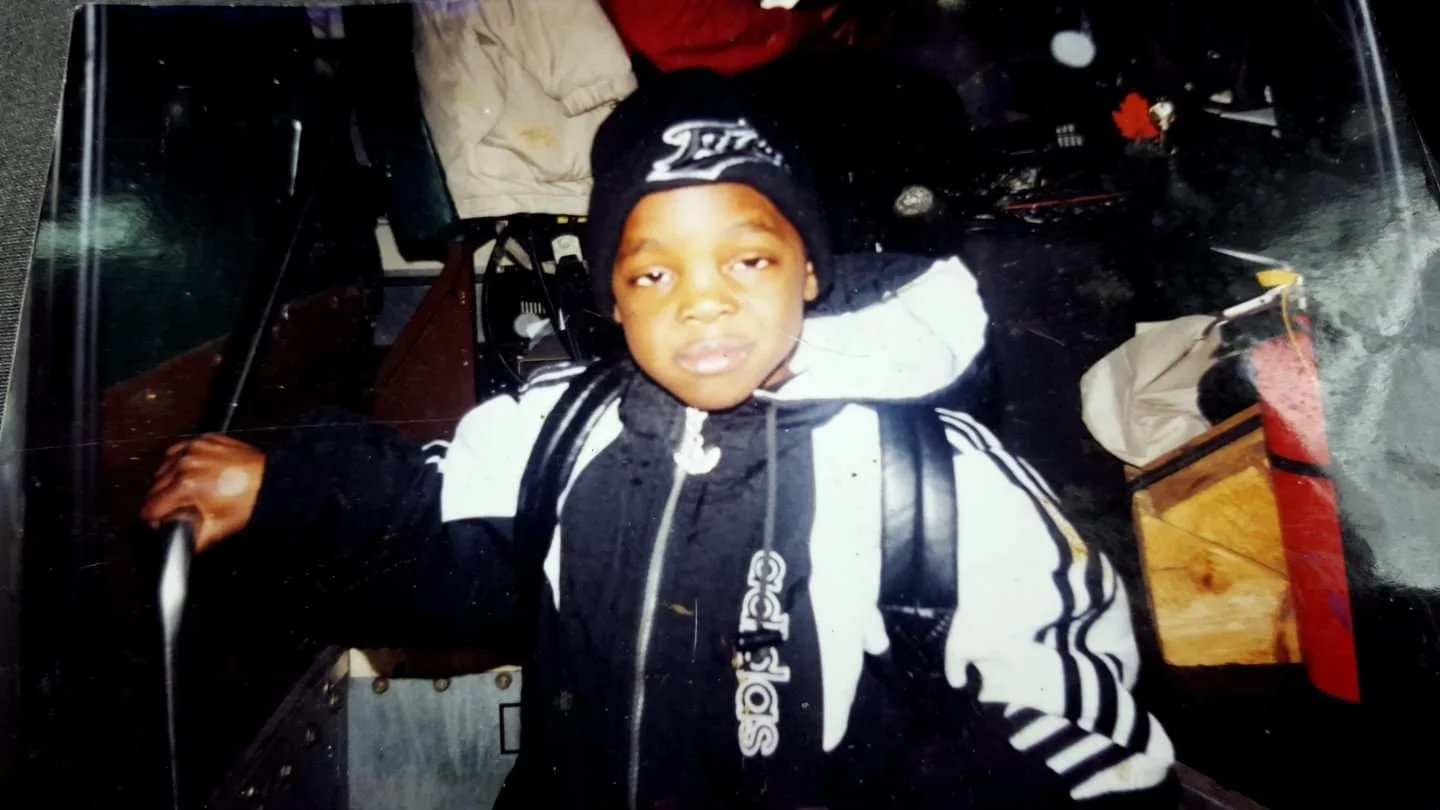
The cover art for Sad Daddy features a childhood photograph of John Kind as a young boy getting off a school bus.
In the image, his expression appears exhausted, emotionally overwhelmed, and disconnected. While the photo was originally intended by his parents to be a “nice picture,” it unintentionally captured something much deeper: the emotional reality of a child already carrying internal weight.
Rather than hiding from that image, John Kind chose to reclaim it.
The cover represents:
Childhood exhaustion
Emotional suppression
Depression at an early age
Feeling unseen while visibly struggling
The disconnect between appearance and internal reality
The album transforms that childhood image into a statement of survival.
The boy on the cover becomes the foundation for the man speaking throughout the project.
The Boy Behind Sad Daddy
Childhood innocence
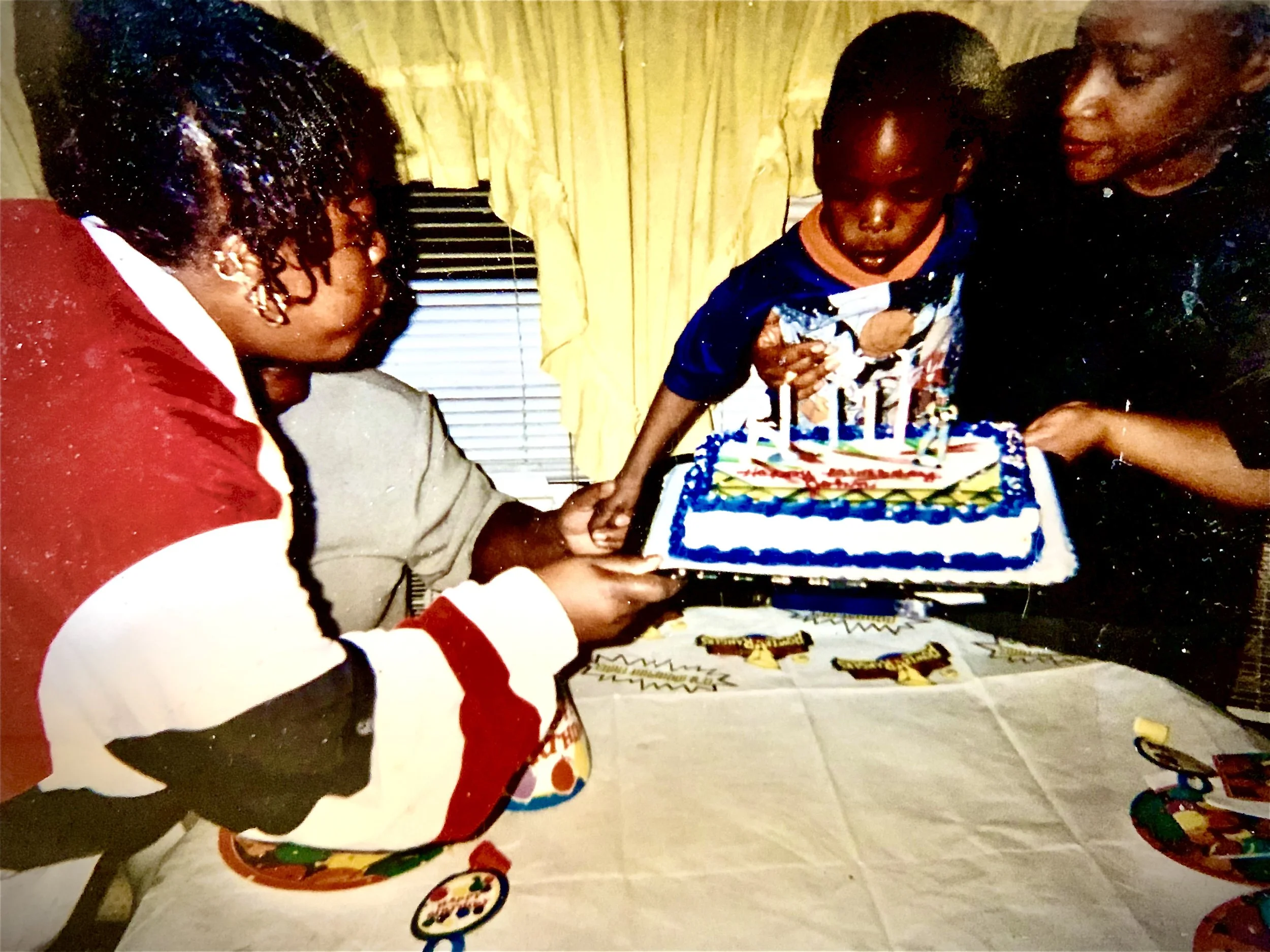
Childhood Dream
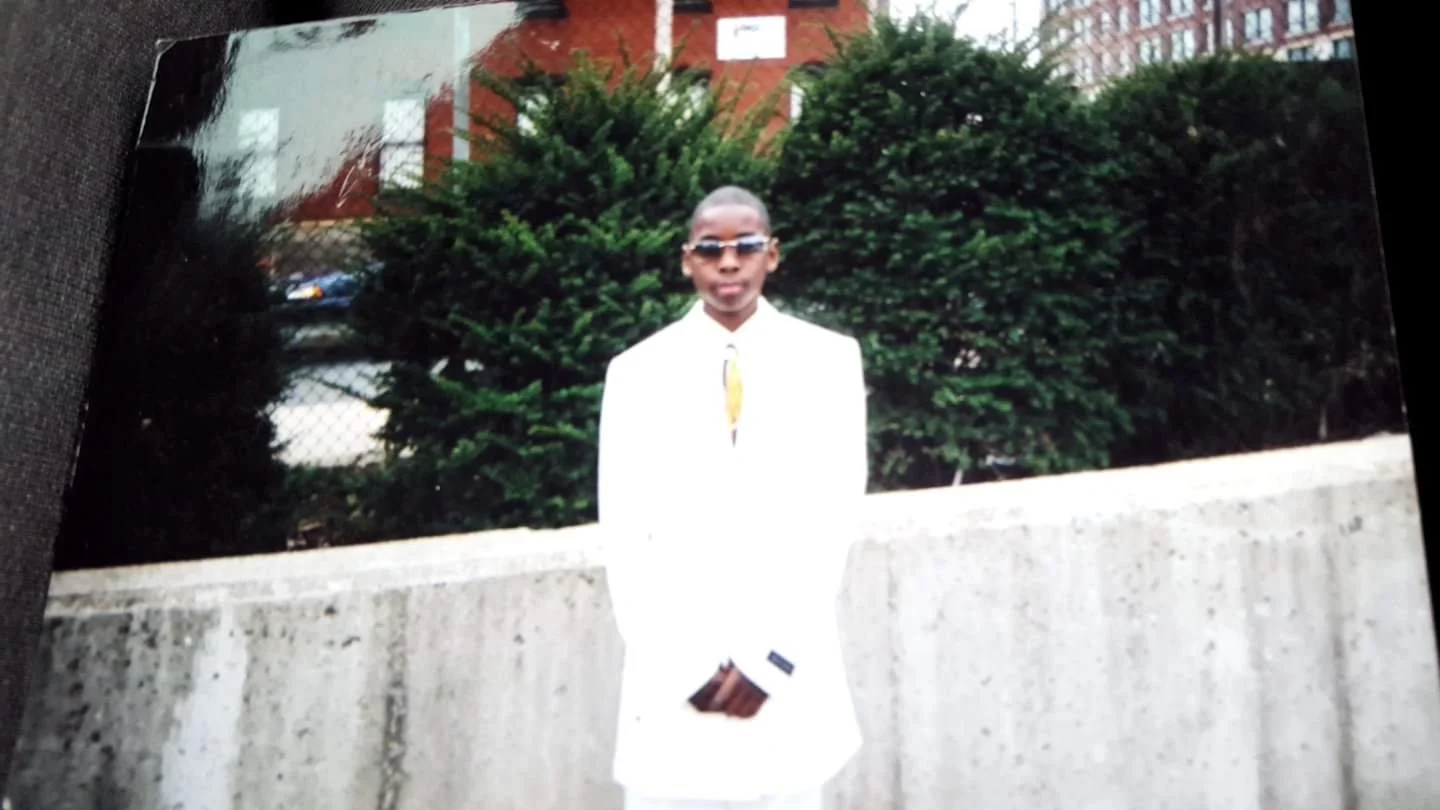
Family Struggle
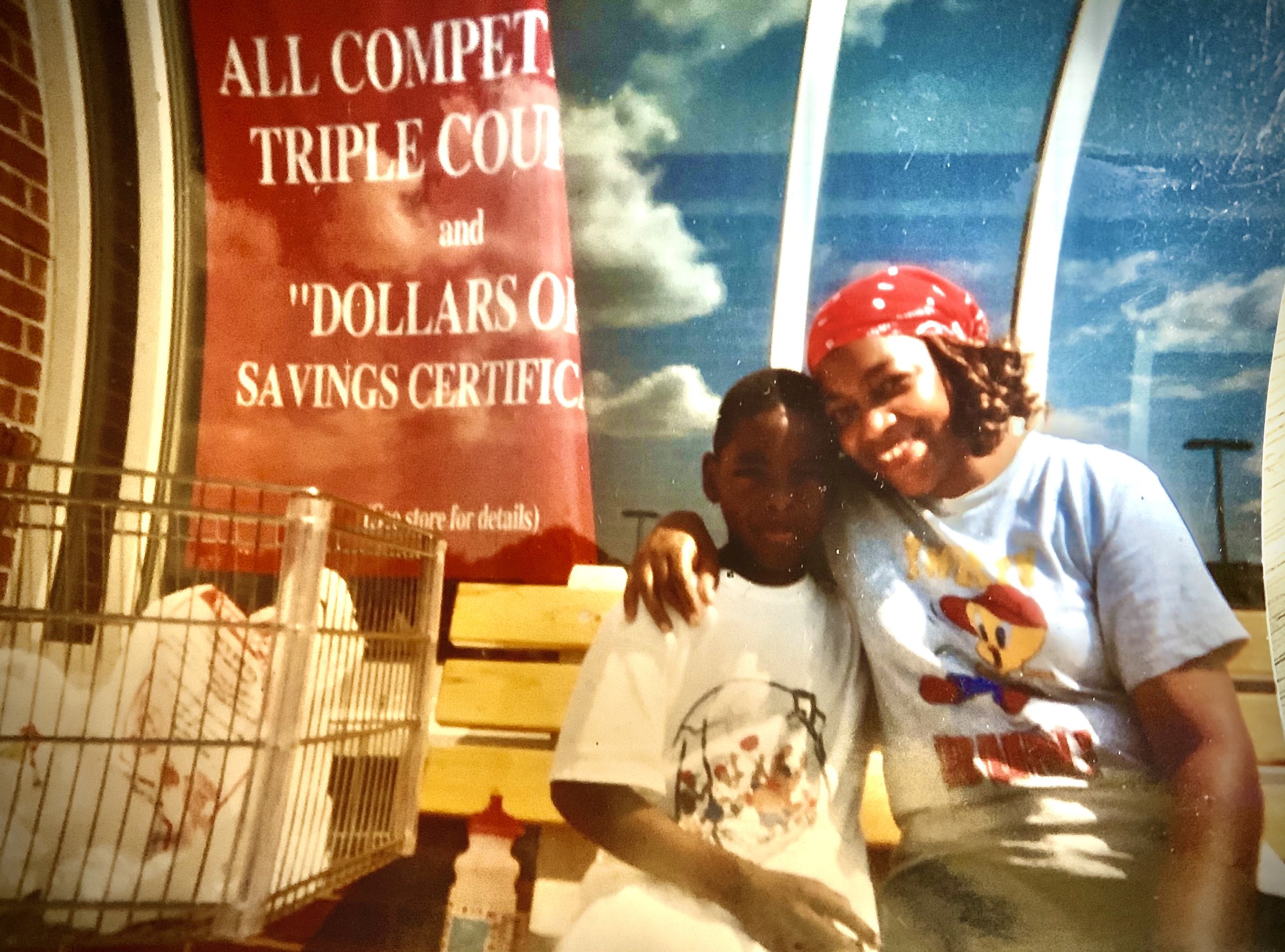
Trauma
“You see my wave but you don’t know my ocean.”
Creative Process
The album was independently developed from home using a self-directed workflow:
self-written lyrics
self-recorded vocals
self-developed concepts
self-structured sequencing
self-managed emotional direction
This DIY approach becomes part of the album’s identity.
The imperfections are intentional because the project prioritizes emotional honesty over polish.

“Every vocal on Sad Daddy was recorded independently from home.”
Emotional Motion
Much of Sad Daddy exists in movement — mentally, emotionally, spiritually, and physically. The album repeatedly returns to the idea that survival itself is a form of motion: waking up, continuing forward, carrying emotional weight while still trying to build a future. Rather than presenting emotion as weakness, the project frames it as proof of humanity and endurance.
“Everybody with a soul got emotion.”
Isolation & Depression
Throughout the album, isolation appears not just as loneliness, but as emotional distance from the world, from others, and sometimes from self. Songs like Johnny Castaway and Sad Daddy explore emotional exhaustion, internal conflict, and the desire to escape pressure entirely while still searching for meaning inside the struggle.
“Everyday I wanna go away.”
Love & Vulnerability
Love within Sad Daddy is never simple fantasy. It is portrayed as healing, frightening, comforting, and emotionally exposing all at once. Relationships throughout the album become places where trust, pain, intimacy, and emotional survival intersect. Vulnerability becomes one of the hardest forms of courage explored in the project.
“Roses are beautiful but it doesn’t mean the thorns don’t hurt.”
Hunger & Ambition
Underneath the emotional weight of the album is a relentless desire for transformation. Sad Daddy documents the pressure of wanting more from life while fighting against economic struggle, grief, doubt, and internal exhaustion. Hunger becomes more than financial — it becomes spiritual, creative, and existential.
“Hungry to see my life change.”
Creative Outcome
Sad Daddy establishes John Kind as an artist focused on:
emotional realism
cinematic storytelling
psychological honesty
socially conscious writing
vulnerability within masculinity
independent creative authorship
The project transforms personal struggle into narrative art while documenting the emotional process of surviving long enough to become yourself.